

Efficient workstation design is essential for productivity, safety, and workflow optimisation in UK manufacturing and industrial environments. Whether in assembly lines, laboratories, or production facilities, a well-designed workstation can significantly improve performance and reduce unnecessary movement or strain.
T-slot aluminium profiles have become a go to solution for creating custom workstations due to their flexibility, durability, and ease of configuration.
Why Workstation Design Matters
A poorly designed workstation can lead to inefficiencies, operator fatigue, and reduced output. In contrast, an optimised setup helps to:
- Improve workflow and task efficiency
- Reduce wasted movement and time
- Enhance operator comfort and safety
- Support consistent production quality
Designing workstations with adaptability in mind is particularly important in environments where processes frequently change.
What Are T-Slot Aluminium Profiles?
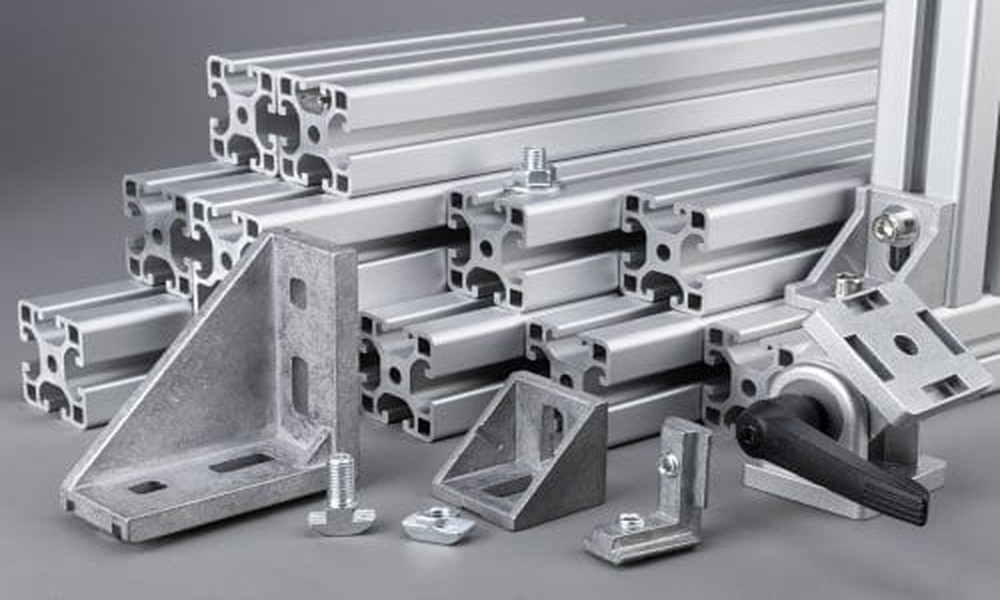
T-slot aluminium profiles are extruded sections with slots that allow components to be easily connected using specialised fasteners. This creates a modular system that can be assembled and adjusted without welding.
They are widely used for building:
- Assembly benches
- Packing stations
- Inspection tables
- Technical and laboratory workstations
Their versatility makes them ideal for both simple and complex workstation designs.
Key Design Considerations
1. Ergonomics
Workstations should be designed to suit the operator, not the other way around. Adjustable heights, reachable tools, and clear working areas help reduce strain and improve comfort.
2. Layout and Workflow
Consider how tasks are performed and arrange tools, materials, and equipment accordingly. Frequently used items should be within easy reach to minimise unnecessary movement.
3. Flexibility and Adjustability
T-slot systems allow for easy modifications. Workstations can be expanded, reconfigured, or upgraded as processes evolve.
4. Integration of Accessories
Additional components such as shelves, monitor mounts, lighting, and tool holders can be incorporated into the frame to improve organisation and efficiency.
5. Strength and Stability
Ensure the structure is robust enough to support the required load, particularly in industrial or heavy duty environments.
Benefits of Using Aluminium Profiles for Workstations
- Customisable design: Tailored to specific tasks and environments
- Quick assembly: No welding required, reducing setup time
- Scalable systems: Easy to expand or modify when needed
- Durability: Resistant to wear and suitable for industrial use
- Clean, professional finish: Suitable for modern workplaces
These advantages make aluminium profiles a practical choice for businesses seeking efficient and adaptable solutions.
Applications Across UK Industries
T-slot aluminium workstations are used in a wide range of sectors, including:
- Manufacturing and assembly lines
- Electronics and precision engineering
- Warehousing and logistics operations
- Laboratories and research facilities
- Packaging and distribution centres
Their adaptability makes them suitable for both high volume production and specialised tasks.
Frequently Asked Questions
Can aluminium workstations be adjusted after installation?
Yes. One of the key benefits is the ability to modify layouts, heights, and components as needed.
Are T-slot aluminium profiles strong enough for heavy duty use?
Yes, when designed correctly, they provide excellent strength and stability for industrial applications.
What accessories can be added to a workstation?
Common additions include shelving, lighting, monitor arms, tool holders, and storage systems.
Are these workstations suitable for small spaces?
Yes. Their modular nature allows them to be designed for both compact and large environments.
Final Thoughts
Designing efficient workstations using T-slot aluminium profiles allows UK businesses to create flexible, ergonomic, and highly functional work environments. By focusing on workflow, adaptability, and operator comfort, these modular systems support productivity and long term efficiency.
As industrial processes continue to evolve, the ability to adjust and optimise workstations quickly becomes an increasingly valuable advantage.