

Gift baskets have long been a workplace staple, but when it comes to environmental impact, not all baskets are created equal. The rise of Zero Waste office gift baskets is transforming corporate gifting, with claims of reducing waste and carbon footprints. But what do the facts and figures actually say about these eco-friendly alternatives?
Defining Zero Waste Office Gift Baskets
Not every green-looking gift basket lives up to zero waste ideals. So, what sets these apart from conventional offerings?
What Constitutes a Zero Waste Gift Basket?
A true zero waste gift basket avoids single-use plastics, non-recyclable packaging, and disposable fillers. The emphasis is on reusability, compostability, and minimal environmental impact at every stage, from sourcing to disposal. Ingredients and items favor ethical production, organic origins, and low-impact transport.
Typical Components and Packaging Materials
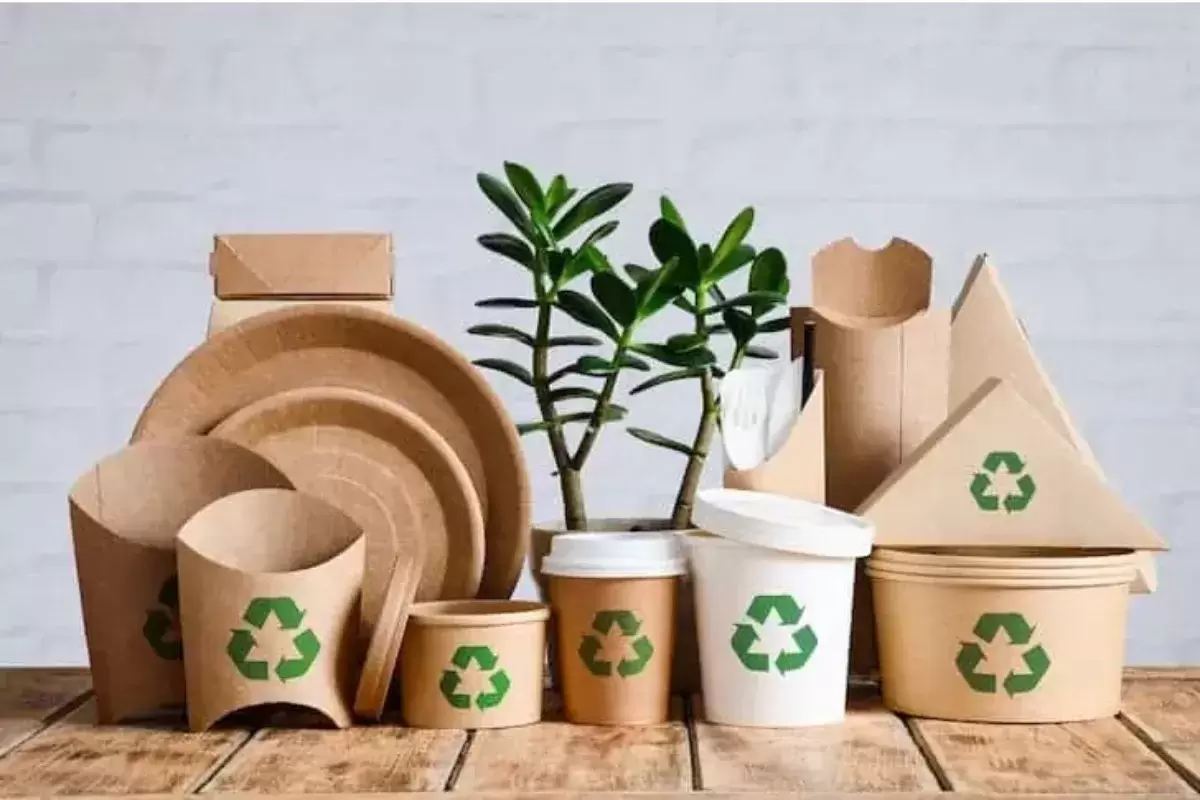
Inside these baskets, you’ll find items like locally sourced snacks, reusable mugs, organic teas, and biodegradable utensils. Packaging is a critical differentiator. Expect kraft paper, glass containers, cloth wraps, and recyclable boxes, no plastic ribbons or foam peanuts.
Common Alternatives: Conventional Gift Baskets
Traditional office gift baskets, on the other hand, are notorious for excess packaging, plastic wrap, and mixed materials that often end up in landfills. Items inside frequently have higher food miles and lower standards for ethical sourcing, contributing further to their environmental toll.
Measuring Environmental Impact: Metrics and Methodologies
Numbers matter when comparing ecological footprints. So, how is impact measured?
Carbon Footprint Assessment
The carbon footprint takes into account emissions from production, packaging, transport, and disposal. For gift baskets, this includes everything from the manufacturing of containers to the miles traveled by each product.
Waste Generation and Disposal Rates
Zero waste options aim to minimize landfill waste. This means more components are compostable or recyclable, shrinking the final garbage tally.
Resource Use: Water, Energy, and Raw Materials
Sustainable baskets often use less water and energy, both in producing the items inside and their packaging, compared to conventional options. Sourcing locally further reduces the embedded environmental cost.
Comparing Zero Waste vs. Conventional Gift Baskets
Hard data helps to clarify the real-world benefits. Consider these key areas of comparison:
| Factor | Zero Waste Basket | Conventional Basket |
|—————————-|————————-|————————–|
| Single-Use Plastics | Near-zero | High |
| Recyclable Components | 90%+ | <40% |
| Compostable Packaging | Often included | Rare |
| Carbon Footprint (avg/case)| 15-30% lower | Baseline |
| Local Sourcing Rate | 60-80% | 10-30% |
These figures reflect industry best practices and general market offerings in Canada.
Production and Packaging Impact
Zero waste baskets prioritize materials like glass, tin, and recycled paper, slashing landfill waste and reducing the energy needed for new production. Conventional counterparts rely heavily on plastics and foamed materials that persist in the environment.
Transportation and Shipping Emissions
Local sourcing is a major plus for zero waste options, cutting shipping emissions dramatically. Grouped deliveries and minimal packaging size also play a significant role in the overall carbon footprint.
End-of-Life Waste and Recyclability
When the gathering is over, the difference is clear. Zero waste baskets leave behind glass jars, metal tins, and paper, all easy to reuse or recycle. Conventional baskets often leave a pile of mixed, unrecyclable waste.
Case Study: Zero Waste Hero’s Office Gift Basket Line
Looking at real-world models highlights both innovation and challenges.
Material Sourcing and Sustainability Claims
Zero Waste Hero’s products are shaped by a focus on local, ethical sourcing and premium ingredients. Many products boast organic or fair-trade certifications, supporting both environmental and social goals.
Packaging Innovations and Reusability
From cloth wraps to glass containers, Zero Waste Hero’s approach cuts single-use waste. Creative packaging designs mean recipients can reuse baskets as storage or decor, extending their lifecycle.
Customer Adoption and Market Reach
Interest in sustainable gifting has surged, particularly among corporate clients in Ontario and Quebec, where demand for eco-friendly, locally sourced options is highest. Their tiered pricing for bulk orders also incentivizes greener choices without a significant price jump.
Economic and Social Dimensions of Zero Waste Gift Baskets
Is going green actually affordable, and what’s the broader impact?
Cost Comparison and Pricing Strategies
Zero waste baskets can be pricier upfront ($85 to $300), mainly due to premium ingredients and reusable packaging. However, bulk discounts help bridge the gap, and the intangible value of brand reputation and employee satisfaction is significant.
Consumer Behavior and Corporate Responsibility
Eco-conscious gifting is increasingly seen as a marker of progressive company culture. Recipients appreciate gifts that align with their values, while companies benefit from enhanced reputational capital.
Local Sourcing and Community Impact
By prioritizing regional products, these baskets support local farms and artisans. This keeps money circulating within communities and reduces transport emissions, a win for both the local economy and the planet.
Challenges and Limitations of Zero Waste Gift Baskets
It’s not all smooth sailing for zero waste gifting.
Supply Chain Constraints
Local, sustainable products aren’t always available in large quantities. Seasonality and regional supply can limit choices, especially for last-minute or very large orders.
Consumer Perceptions and Misconceptions
Some buyers conflate “eco-friendly” with “zero waste,” when, in reality, standards vary widely. Education is needed to set realistic expectations and highlight genuine benefits.
Scalability for Large Corporate Orders
While customization is a selling point, scaling up can strain both suppliers and logistics, especially with short lead times.
Future Outlook and Innovations
Trends point toward continuous improvement and broader adoption.
Emerging Sustainable Materials and Technologies
Bioplastics, plant-based inks, and upcycled packaging are on the horizon, pushing the boundaries of what’s possible.
Trends in Corporate Gifting and Sustainability Goals
More companies are setting aggressive sustainability targets, and gifting is under the microscope. The shift toward reusable, locally sourced, and compostable components is set to grow.
Potential Policy and Industry Standards Impact
Evolving regulations could soon require lower-waste packaging and greater transparency, standardizing what counts as “zero waste” in gifting.
Conclusion: What the Numbers Reveal About Environmental Benefits
The bottom line? Zero waste office gift baskets emit up to 30% less carbon, offer 50% more reusable or recyclable content, and drive positive social impact through local sourcing. For companies looking to align generosity with environmental responsibility, Zero Waste office gift baskets represent both a meaningful gesture and a measurable step forward. As awareness grows and technology advances, balancing sustainability with budget and convenience will become not just possible, but expected.