

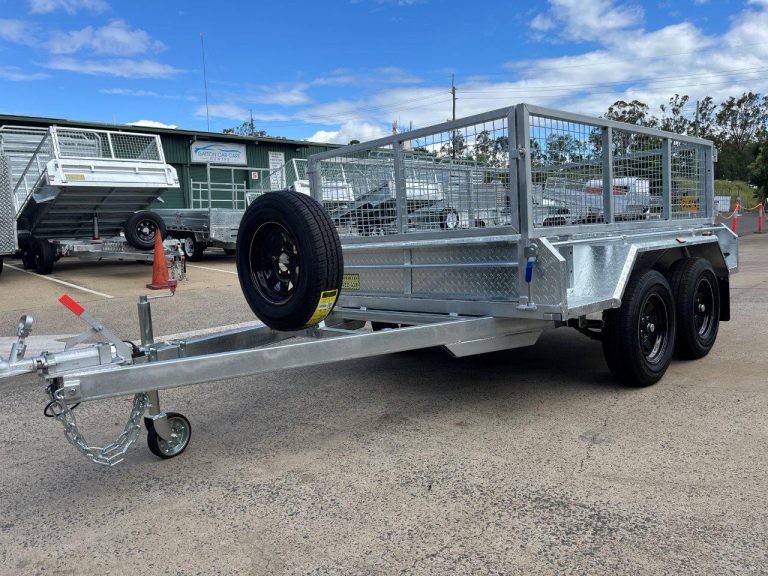
A trailer is a valuable investment that requires regular maintenance to ensure safety, performance, and longevity. Whether you use your trailer for hauling equipment, vehicles, or materials, neglecting maintenance can lead to costly repairs, decreased efficiency, or even accidents on the road. With a few simple practices, homeowners and business owners in Idaho can keep their trailers in top condition year-round.
This guide covers essential maintenance tasks, safety checks, and seasonal tips to help your trailer last longer and perform reliably. Following these practices not only protects your investment but also keeps you and other drivers safe during transport.
1. Regular Inspection Checklist
Routine inspections are the first step in preventing trailer problems. By checking key components frequently, you can catch issues before they become serious.
Essential inspection points:
- Tires: Look for proper inflation, tread wear, cracks, and bulges. Replace tires when worn or damaged.
- Brakes: Inspect brake pads, discs, and hydraulic or electric systems. Ensure brakes engage smoothly.
- Lights and wiring: Test tail lights, brake lights, turn signals, and reflectors to ensure visibility.
- Frame and hitch: Check for cracks, rust, and loose bolts. Ensure the hitch is securely attached.
- Suspension: Inspect leaf springs, shocks, and axles for wear or damage.
Performing these checks before every trip reduces the risk of breakdowns and improves overall safety.
2. Tire Maintenance
Tires are one of the most critical components of trailer safety. Proper tire care improves stability, prevents blowouts, and extends lifespan.
Tire maintenance tips:
- Check air pressure: Inflate tires to the manufacturer’s recommended PSI, considering load weight.
- Rotate tires periodically: Promotes even wear and extends life.
- Replace aging tires: Even if tread looks good, tires older than 5–7 years may be unsafe.
- Inspect for damage: Look for punctures, cracks, and sidewall bulges before each trip.
Well-maintained tires ensure safer towing and better fuel efficiency.
3. Brake System Care
Trailer brakes play a crucial role in stopping heavy loads safely. Both electric and hydraulic systems require regular attention.
Brake maintenance tips:
- Test brakes frequently to ensure responsiveness.
- Clean brake components to remove dirt and debris.
- Lubricate moving parts to prevent sticking.
- Replace worn pads or shoes promptly.
Neglecting brake maintenance can lead to dangerous stopping distances and increased risk of accidents.
4. Proper Lubrication
Regular lubrication reduces friction and wear on moving parts, including axles, wheel bearings, and hitch components.
Lubrication tips:
- Grease wheel bearings at least once per year or every 12,000 miles.
- Lubricate hinges, latches, and couplers to prevent rust and ensure smooth operation.
- Use manufacturer-recommended grease or lubricant.
Consistent lubrication prevents costly repairs and improves towing performance.
5. Electrical System Maintenance
Trailer lighting and electrical systems ensure visibility and safe operation on the road. Faulty wiring can cause accidents or fines.
Electrical care steps:
- Check all lights before every trip.
- Inspect connectors for corrosion or damage.
- Secure loose wires to prevent wear or shorts.
- Test trailer brake controllers and signals periodically.
A fully functional electrical system ensures compliance with regulations and safer towing conditions.
6. Seasonal Maintenance Tips
Trailer care varies slightly with the seasons to protect against weather-related damage.
Spring and summer:
- Inspect tires, brakes, and lights before heavy hauling.
- Clean off road salt or debris from winter corrosion.
- Lubricate moving parts for smooth operation.
Fall and winter:
- Store trailer in a dry, covered location if possible.
- Check for rust and apply protective coatings.
- Inspect tires for cold-weather pressure changes.
- Remove debris to prevent ice and moisture damage.
Seasonal attention ensures your trailer remains reliable year-round.
7. Cleaning and Rust Prevention
Trailers are exposed to harsh conditions that can accelerate wear. Regular cleaning and rust prevention protect both appearance and structural integrity.
Cleaning tips:
- Wash after exposure to dirt, salt, or chemicals.
- Use mild soap and water for frames and surfaces.
- Apply protective coatings or paint to exposed metal.
- Inspect for and treat rust spots immediately.
Preventing rust keeps the trailer safe and extends its usable life.
8. Proper Loading and Weight Distribution
Even the best-maintained trailer can experience problems if loads are not balanced correctly.
Weight distribution tips:
- Place heavier items near the axle for stability.
- Secure cargo with tie-downs to prevent shifting.
- Avoid exceeding the Gross Vehicle Weight Rating (GVWR).
- Ensure the trailer tongue weight is within recommended limits.
Correct loading improves towing performance, reduces tire and suspension wear, and enhances safety on the road.
9. When Professional Assistance is Recommended
Some maintenance tasks may require professional expertise, especially for complex brake systems, electrical work, or structural repairs. Working with experts ensures repairs are done correctly and safely.
For homeowners and business owners looking for high-quality trailers and professional support, Grizzly Trailer Sales provides expert guidance, reliable products, and resources to maintain trailers effectively.
Conclusion
Regular trailer maintenance is critical for safety, performance, and longevity. By following routine inspections, tire and brake care, proper lubrication, electrical checks, seasonal attention, rust prevention, and proper loading practices, trailer owners can maximize their investment and avoid costly repairs.
Implementing these strategies ensures that your trailer remains a reliable tool for work or recreation, protecting both your cargo and everyone on the road. Prioritizing maintenance not only enhances safety but also ensures peace of mind for every hauling project.